
In today’s economy, many people are looking for new ways to earn income or build a side business from the comfort of their homes. One profitable and often overlooked option is starting a vacuum cleaner repair shop at home. Vacuum cleaners are essential appliances in every household, and like any other machine, they often break down or require maintenance. People are always in need of affordable and quick repair services. If you have a knack for fixing things, setting up a vacuum cleaner repair workshop at home can be both rewarding and financially beneficial. This article will walk you through every step — from setting up your workspace to getting tools, understanding the machines, handling repairs, and even marketing your services. Let’s dive into it.
Understanding the Market and Your Motivation
Before investing time and money, it’s essential to understand why you want to start this business and who your customers are. Many households own more than one vacuum cleaner, whether it’s a traditional upright, a canister model, or even a robotic vacuum. These machines often break down due to clogging, motor issues, broken belts, or damaged parts. Some people may not be able to afford a new one and would rather pay a smaller fee for repair. If you’re someone who enjoys hands-on work, problem-solving, and helping others, this business could be a great fit. Additionally, the repair industry is becoming more environmentally friendly by reducing electronic waste, so your business could be part of a bigger, greener solution.
Choosing the Right Space at Home
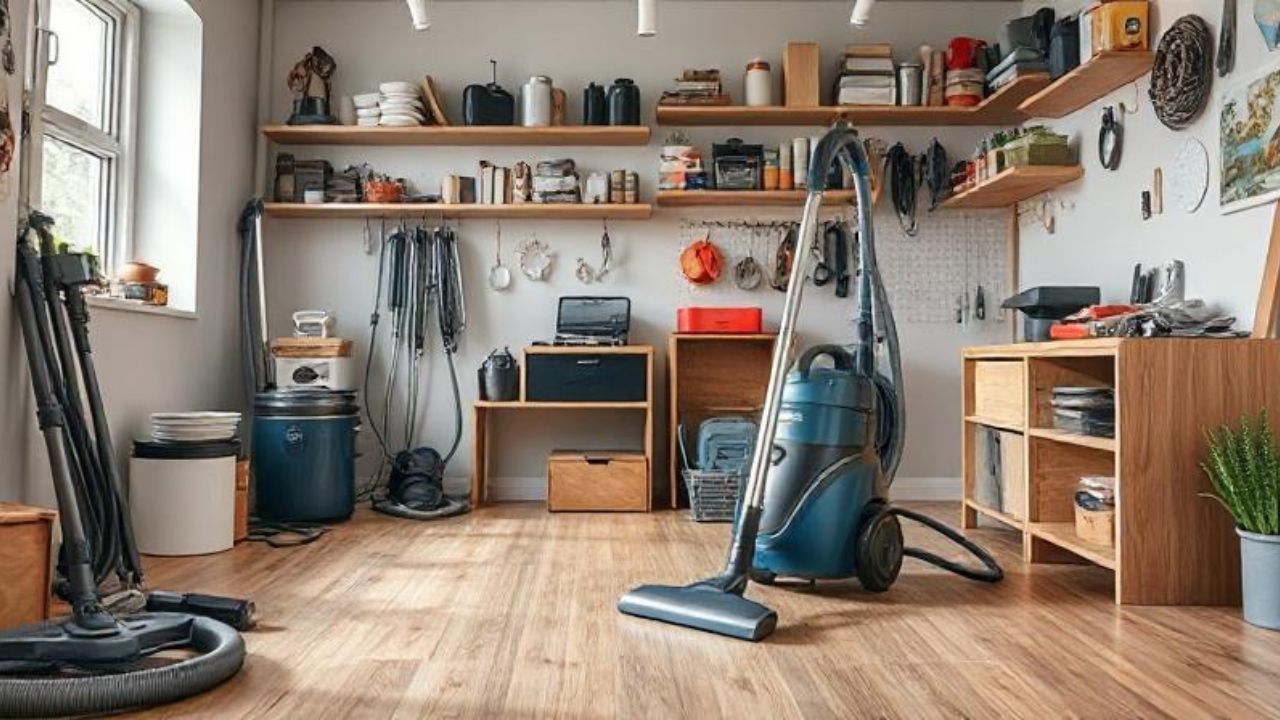
Your repair shop doesn’t require a large commercial space. A small room, basement, or even a spacious garage can do the job. The space should be clean, dry, well-lit, and have adequate electrical outlets. Organization is key to running an efficient repair shop. Install shelves, pegboards, or tool cabinets to keep things tidy. You should also have a sturdy workbench or table, a few chairs for clients (if you allow them in), and a secure area for storing completed or awaiting-repair machines. Keep your workspace ventilated and free of dust or debris to maintain a professional environment that ensures the safety of both the appliances and yourself.
Essential Tools and Equipment You’ll Need
To start repairing vacuum cleaners, you will need basic hand tools and some specialized items. Start with screwdrivers (flat and Phillips), pliers, multimeter, soldering iron, wrenches, utility knives, and clamps. You’ll also need replacement parts like belts, brushes, filters, and hoses — which you can buy online or from a wholesaler. For advanced repairs, a digital multimeter is crucial for checking electrical circuits, while a soldering kit may be needed for wire fixes. Consider having a vacuum pump, small air compressor for cleaning, and a magnifying lamp for intricate work. Having these tools ready from the beginning will save you time and ensure you’re always ready to take on a repair job efficiently.
Learn the Basics of Vacuum Cleaner Mechanisms
Even if you’re good at fixing gadgets, it’s important to understand the basic mechanics of different types of vacuum cleaners. Most have a motor, suction fan, filters, dust bags or bins, and various attachments. Common issues include broken power cords, clogged filters, malfunctioning motors, and suction problems. Start by watching online repair tutorials, reading manufacturer manuals, and practicing on old or discarded units. Brands like Dyson, Bissell, Hoover, Shark, and Miele each have different designs and parts. Familiarizing yourself with multiple brands increases your service capabilities and customer reach. The more confident you become in diagnosing problems, the faster and more accurate your repairs will be.
Practice and Build Experience
Start small. Offer free or low-cost services to friends, family, or neighbors to practice your skills and understand different machine types. Document each repair: what was wrong, how you fixed it, and what parts you used. This not only helps in learning but also builds your portfolio. Over time, you’ll become more efficient, recognize recurring problems, and know exactly what tools or parts are required. Hands-on experience is the best way to improve. Don’t be afraid to make mistakes early on — every misstep is a lesson. Once confident, start charging for your services and consider offering extra services like regular maintenance, filter replacements, or deep cleaning.
Setting Prices for Repair Services
Setting your prices appropriately is important. You want to offer affordable services but also value your time and effort. Begin by researching local repair shops or online service platforms. Most vacuum cleaner repairs range from $30 to $150, depending on the problem and parts required. Offer a basic diagnosis fee — for example, $20 — which can be deducted from the final repair bill if the customer goes through with it. Keep your pricing transparent and have a fixed rate card ready. Offering estimates in advance helps build trust. Over time, you can also introduce packages or deals, such as discounts for returning customers or households with multiple appliances needing service.
Legal Considerations and Safety Measures
Even as a home-based business, there are legal requirements you should follow. Check if your local government requires a small business license or zoning permit. Register your business name and open a separate bank account for financial clarity. You might also consider getting liability insurance in case a customer’s device is accidentally damaged. On the safety front, always unplug devices before opening them. Use gloves, safety glasses, and work in a well-ventilated area when soldering or using chemical cleaners. Keep a first-aid kit nearby and ensure your tools are regularly maintained. Being compliant and careful will protect both your business and your reputation.
Marketing Your Home-Based Repair Shop
No matter how good you are at repairs, customers won’t come unless they know about you. Start with simple and cost-effective marketing strategies. Design a logo and print some business cards. Create a Google Business Profile so people in your area can find you online. Post about your services on local Facebook groups, WhatsApp groups, and neighborhood forums like Nextdoor. Offer referral bonuses or discounts for first-time customers. As you grow, you can consider a simple website or a listing on online platforms like UrbanClap or JustDial. Encourage happy customers to leave reviews — word of mouth is a powerful tool, especially for local businesses.
Going the Extra Mile: Customer Service and Trust
In any service-based business, customer satisfaction is everything. Always be polite, punctual, and honest with your clients. Explain what went wrong with their vacuum cleaner and what you did to fix it. Offer tips for basic maintenance and provide a small guarantee period on your repairs (e.g., 30 days). Keep records of all jobs, parts replaced, and customer details for future reference. Consider offering pickup and drop-off services if possible. These small touches help you build long-term relationships and gain repeat customers. Remember, it’s easier and cheaper to keep an old customer than to find a new one.
Growing Beyond Home: When You’re Ready to Expand
Once you have consistent work and a solid customer base, you might consider expanding. This could mean hiring a helper, renting a larger workspace, or even launching a mobile repair service. You can also sell accessories like filters, hoses, or even refurbished vacuum cleaners. Another option is to create repair tutorials on YouTube or start an online shop for spare parts. As the business grows, explore partnerships with appliance stores or cleaning services that can refer clients to you. Starting at home is just the beginning — the future possibilities are wide open with the right effort and planning.
Conclusion
Building a vacuum cleaner repair shop at home is more than just fixing appliances — it’s about creating a reliable, needed service in your community. With minimal investment, the right tools, and a bit of patience, you can turn your technical skills into a steady income stream. From setting up your workspace to handling customers and repairs, this article has walked you through every major step. With dedication and smart planning, your home-based repair shop can grow into a trusted local business. Start small, think big, and remember — every successful venture begins with a single, well-thought-out step. Happy repairing!